
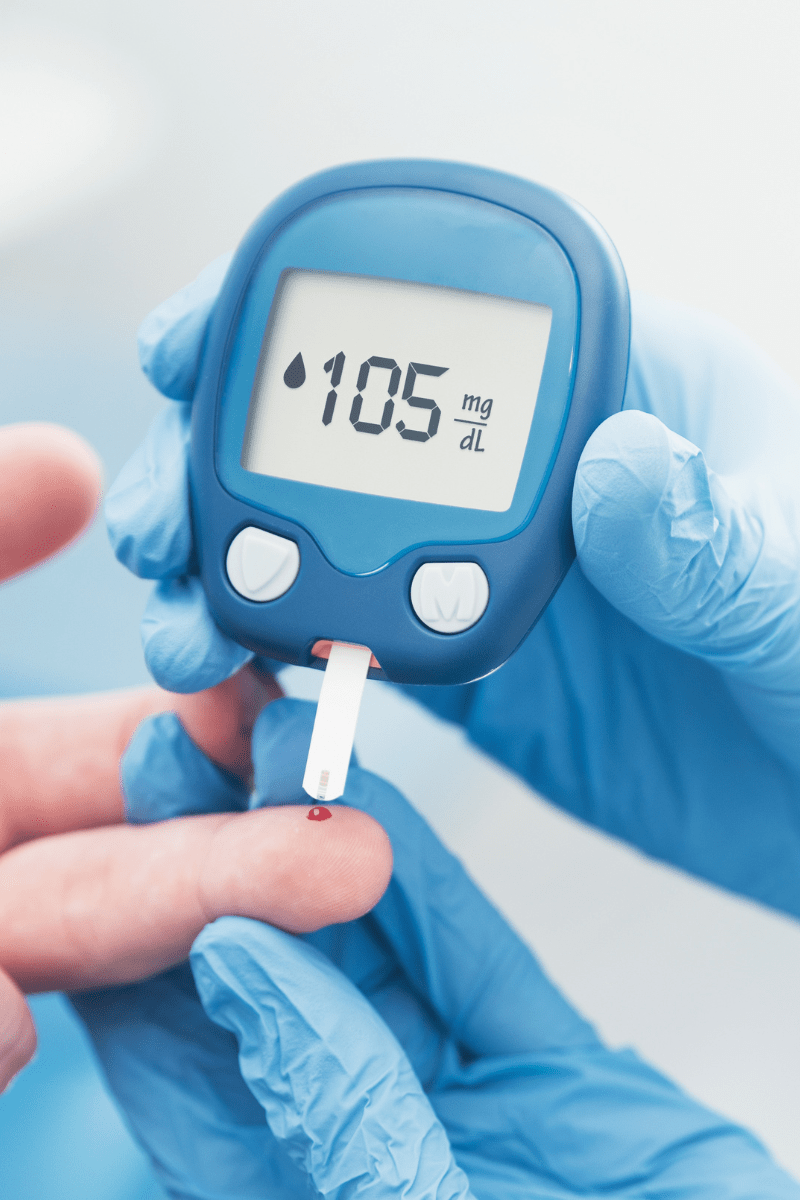
Navigating the complexities of our well-being requires an understanding of the delicate balance between our energy levels and our body’s chemical processes, such as blood sugar management. This intricate dance of hormones and glucose levels plays a critical role in our overall health and vitality.
https://www.buzzsprout.com/1287308/14634833-quick-tips-on-blood-sugars.js?container_id=buzzsprout-player-14634833&player=smallBlood sugars are a powerful indicator of hormonal health and metabolism.
What is a Normal Blood Sugar?
Blood sugar is technically measuring the glucose that is in the blood stream. Our body utilizes glucose as an energy source. The mitochondria in inside of our cells break produce energy by breaking the bonds within glucose to create water. The energy released by breaking these bonds is the energy we use to live.

Our bodies require just the right amount of glucose. Excessive glucose causes oxidative damage. Too little glucose causes energy deficiencies.
Glucose is one fuel source our bodies rely on. The brain uses glucose as one of it’s main sources of energy. Muscles also use glucose for an energy source that is available quickly.
Normal Blood Sugars
Our bodies prefer to have blood sugars that are between 75-90. If the blood sugar is too low, a reaction is triggered in which we start to feel tired and hungry, which encourages us to eat.
Blood sugars that are over 90 are tolerated, but cause the pancreas to work more than usual.
Mild Elevation in Blood Sugar
When blood sugars are over 101-119, the amount of glucose necessary starts to exceed what the body needs. The body responds by attempting homeostasis with the production of insulin.
Insulin is a hormone. The primary role of insulin is to make an opening in the cell membrane so that glucose can leave the circulation and enter the cell.
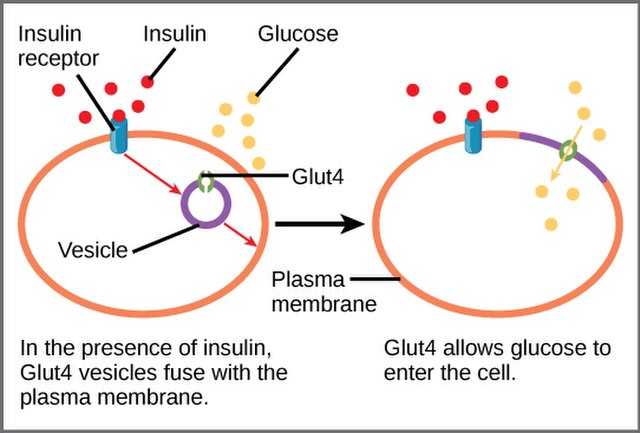
Source: https://commons.wikimedia.org/wiki/File:Figure_07_07_01.jpg
If the blood sugars are tending to stay higher than the body desires, the pancreas will respond by producing more insulin.
When blood sugars are mildly elevated, you may notice vague symptoms that aren’t very alarming, but they should get your attention. These can include:
- 1. Fatigue and unexpected times
- 2. Feeling hungry frequently
- 3. Craving Sugar
- 4. Muscle Aches
My patients are surpised to learn that they may have symptoms even when blood sugars are not very elevated.
Moderate Blood Sugar Elevation
When blood sugars are remaining over 100 after meals, this is a warning that your body is having trouble normalizing blood sugar. The pancreas is able to make insulin, but it may not be enough to bring the sugars back to an optimal level. Blood sugars or 101-120 are considered to be pre-diabetic. This means that your risk of progressing to becoming diabetic is increasing.

Prediabetes is an important stage. This is the stage in which your body is having trouble with blood sugars, but can heal by making some changes immediately.
You can normalize your sugars within days by eliminating liquid sources of sugar. These include sodas, juices, sweetened coffees, and alcoholic drinks.

Severe Elevation of Blood Sugars
Blood sugars higher than 120 are consistent with Diabetes. Diabetes must be managed aggressively to prevent longterm damage to the body.
In early diabetes, the pancreas can still produce insulin, and at times, may produce excessive amounts of insulin. This can lead to blood sugar fluctuations. People experiencing this may have high sugars that rapidly plummet to low blood sugars.
Later stages of diabetes occur when the pancreas fails to produce insulin. The sugars will stay high, which leads to thirst and frequent urination. This is because the kidneys will attempt to normalize the blood sugars by excreting glucose out of the urine. This causes loss of water, leading to excessive thirst.
Can Functional Medicine Help with Abnormal Blood Sugars?
Functional medicine seeks to get to the root cause of illness. The functional medicine approach to Diabetes and Diabetes prevention is to look at the metabolism as a whole. Then, we seek to find what is disrupting the body’s normal homestasis.
 Dr. Charlyce

Leave a comment